First things first, healthy gums make a great and beautiful smile. Most of us spend most of our time worrying about having the perfect and clean tooth, but gum health is just as essential for long-term oral wellness. There are usually no obvious symptoms in the early stages of gum disease, and it can happen very slowly. If it is ignored, then the gums can recede from the teeth, lose jawbone, and one may even lose their tooth. Thanks to innovations in dental care, treatment options for people with gum problems have advanced significantly over the past few decades.
For individuals seeking specialist gum care in Sydney, today’s treatment approaches provide opportunities to restore gum health, preserve natural teeth, and improve overall oral function through personalised care plans.
Understanding Periodontal Disease
Periodontal disease infects the gums, which are the muscles that hold your teeth in place. Generally, it begins with tartar and bacteria surrounding the gum line. Good oral care and having plaque removed by regular cleanings at a dentist are necessary to avoid inflammation caused by this buildup.
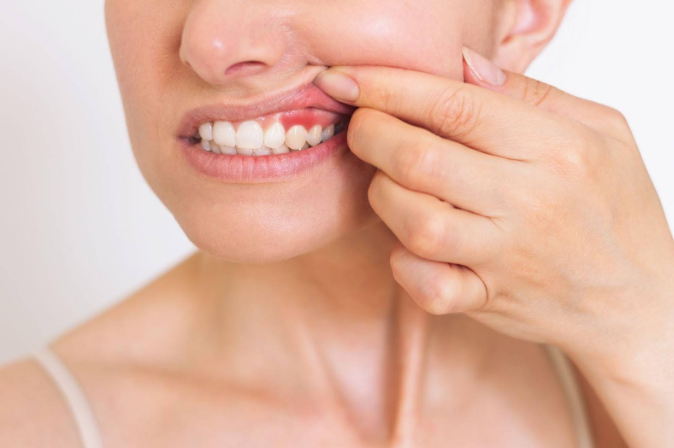
The first stage is called gingivitis and can be recognised by red, swollen gums that are easy to bleed. When it becomes more serious, which in turn causes periodontitis, lower structures, including bone and connective tissue, can be involved. This is where diagnosis and treatment as soon as possible become so important in keeping your gums healthy and preventing larger issues.
See also: Llbloghome Upgrades by Lovelolablog
Advanced Diagnostic Technologies
One of the greatest advancements made in periodontal care was in current diagnostic tools. In this way, a dentist can detect issues that may not be apparent during an ordinary check-up with digital images and full periodontal exams.
They are used to assess bone levels, pocket depths around teeth, and track how gum health changes over time. Doctors can use this information to create a stepwise treatment based on specific issues within each patient while avoiding procedures of no value.
Deep Cleaning And Non-Surgical Therapies
Non-surgical treatments often get results for people with mild to moderate gum disease. Scaling and root planning is the most frequently used procedure to remove plaque, tartar, and bacteria underneath the gum line.
This process smooths down the root surfaces of the teeth, creating a more challenging environment for bacteria to flourish. This type of deep cleaning can control swelling, enhance gum attachment and stimulate the healing process rapidly without surgery.
Together, potential new additions include antimicrobial treatments as well. These are designed to inhibit the growth of microbes and help with treatment outcomes.
Regenerative Procedures For Tissue Restoration
When gum disease has damaged the structures supporting your teeth, regenerative treatments may be recommended. These fancy techniques are designed to aid the body in regenerating damaged tissue and harnessing its own healing powers.
Bone grafting is one form of regenerative medicine. The procedure aids in bone regeneration in the areas surrounding the teeth due to bone loss. Guided tissue regeneration can also be used to promote the growth of healthy bone and gum tissue.
They can help preserve natural teeth, which would otherwise need to be extracted if these methods were not used.
Modern Approaches To Gum Recession
Many individuals suffer from gum recession, which can give an unsightly appearance to teeth as well as cause pain to the gums. Receding lips display tooth roots. This increases the sensitivity of teeth and makes them more susceptible to decay.
More sophisticated methods for soft tissue grafting used in advanced-level periodontal patients can sometimes help with this. These techniques re-cover the gums, protect the exposed root surfaces and enhance the aesthetics of the smile.
Modern approaches often aim for predictable results, with patients comfortable and healing quickly.
The Importance Of Ongoing Maintenance
A single surgical procedure is never the resolution of periodontal treatment that does work. It is important for long–term management to prevent treatment effects from wearing off and college disease progression in the future.
Through regular professional cleanings, exams and individualised hygiene advice, patients can maintain good gum health for a lifetime. By constantly monitoring big data, dental professionals can early detect potential problems and intervene when necessary.
Conclusion
Periodontal care has evolved and altered the manner in which we find gum disease and how that disease is addressed. Today, there are several modalities for good patient selection, from sophisticated diagnostic devices to non-invasive non-surgical therapy, to regenerative methods and receding gum treatments. By addressing periodontal issues early and adhering to a comprehensive treatment plan, individuals can preserve their oral health, maintain their natural teeth, and ensure a beautiful smile for years down the line.