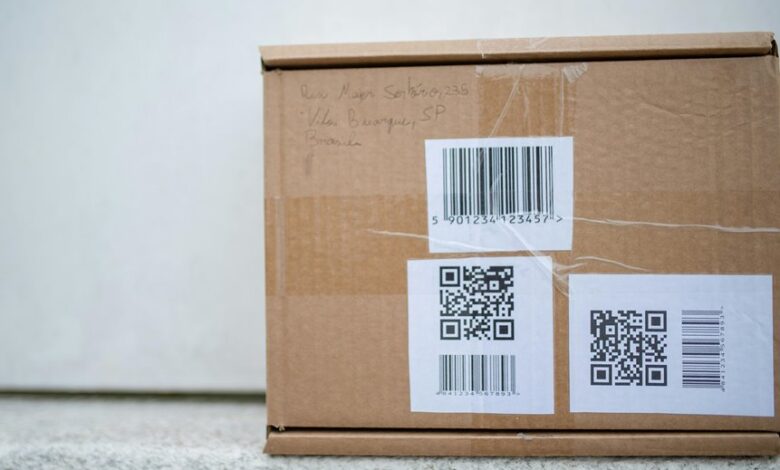
The Tracking Code Discovery Portal entry nl56zzz273802190000 details a structured sequence of signals, timestamps, and status markers aligned with defined event codes. It explains how shipment lookup signals map to verifiable workflow stages, origin, destination, and custody events. The material provides a basis for auditable verification and repeatable procedures within logistics governance. It invites practitioners to assess implications for decision points and chain-of-custody controls as they consider actionable steps and potential gaps.
What the Tracking Code Discovery Portal Reveals
The Tracking Code Discovery Portal reveals the sequence and scope of data associated with a shipment, including code formats, origin, destination, and status markers. It presents structured fields for tracking signals, timestamps, and event codes. Data interpretation is objective, enabling auditors to verify consistency, detect anomalies, and support timely decision-making while preserving chain-of-custody and operational transparency.
How to Interpret Shipment Lookup Signals
To interpret shipment lookup signals accurately, analysts map each signal to its defined meaning, verify the timing against the event log, and assess the status code against expected workflow stages.
The process emphasizes discovery signals and interpretation techniques, ensuring consistency across sources.
Clear documentation accompanies each mapping, with auditable checks and concise notes, supporting independent review and repeatable conclusions.
Practical Ways to Use Discovery Data in Operations
Practical application of discovery data in operations centers on translating signals into actionable steps, aligning insights with workflow requirements, and defining repeatable processes. For teams, discovery data informs resource allocation, incident prioritization, and performance metrics. Shipment signals are transformed into standard operating procedures, triggering alerts, validation, and containment actions. This approach supports autonomous decision-making while preserving accountability and measurable outcomes.
Pitfalls, Privacy, and Best Practices for Responsible Monitoring
As operations broaden the use of discovery data, attention shifts to potential drawbacks, privacy considerations, and disciplined monitoring practices. The framework identifies pitfalls such as overcollection, inconsistent access controls, and audit gaps, while emphasizing privacy concerns and data minimization. Practitioners should implement clear governance, role-based access, periodic reviews, and documented provenance to sustain responsible monitoring and freedom to innovate.
Conclusion
The Tracking Code Discovery Portal exposes a sequence of signals that, when read against the event log, becomes a traceable heartbeat of shipment progress. Interpreted precisely, these markers translate into auditable milestones, preserving chain-of-custody while guiding timely decisions. Used responsibly, they map governance and privacy boundaries with repeatable clarity. Like compass needles in a fog, the signals point steadily toward origin, journey, and destination—transforming raw data into actionable, ethically sound logistics performance.