Caller Identification Research Hub Lookup Phone Number Free Explaining Reverse Lookup Tools

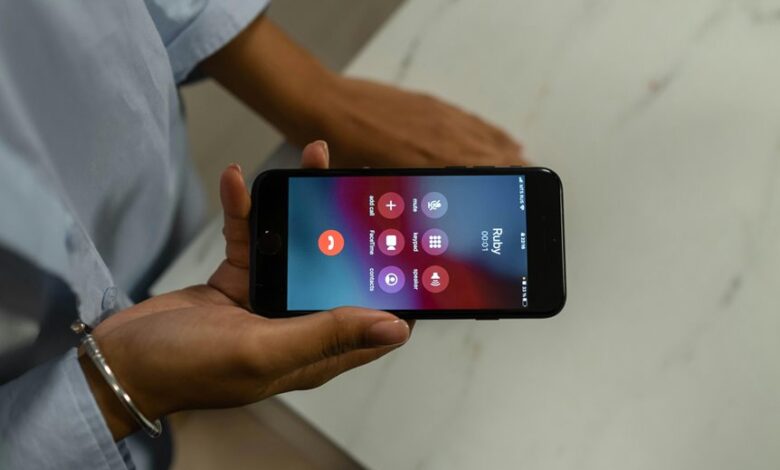
Reverse phone lookup tools map numbers to potential owners by querying public registries and semi-public data sources. Free options vary in data scope, verification, and transparency, raising questions about accuracy and privacy. A methodical assessment is needed to weigh data provenance, minimization, and uncertainties while noting consent and purpose limits. The topic invites careful governance and clear documentation of sources. The implications for accountability linger as practitioners consider how to proceed.
What Is Reverse Phone Lookup and How It Works
Reverse phone lookup is a method for identifying the owner or source of a phone number by querying a database that maps numbers to names, addresses, or other identifiers. It operates through indexed records and publicly accessible registries, balancing utility with risk. The process emphasizes accuracy, data minimization, and caller privacy, guiding users toward informed, freedom-respecting decisions about reverse lookup.
Free Tools: What Data They Access and What They Return
Free tools for reverse lookup are built on public and semi-public data sources, which means their access scope and returned results vary notably by provider. They expose free data from various registers, social traces, and user-contributed records, often without full verification. This practice highlights consumer consent gaps and the need for transparent disclosure about data origins, usage, and limitations.
Evaluating Accuracy, Privacy, and Reliability
Evaluating accuracy, privacy, and reliability requires a disciplined assessment of data provenance, validation processes, and the potential for erroneous or outdated information to propagate through reverse lookup tools.
The analysis emphasizes transparency, accountability, and rigorous cross-checking to mitigate privacy concerns and ensure data accuracy.
Methodical evaluation reveals tradeoffs between accessibility and protection, guiding users toward informed decisions while preserving individual autonomy and freedom.
Practical Steps for Responsible Use and Interpreting Results
Practical use of reverse lookup tools requires a disciplined approach that prioritizes consent, purpose limitation, and data minimization. The analysis emphasizes transparent data provenance, ensuring source traceability and verifiability. Practitioners should document rationale, limit scope, and avoid overreach. Calling ethics guides decision-making, balancing usefulness with privacy risks. Interpret results cautiously, acknowledging uncertainty, and pursue ongoing governance to sustain freedom and accountability.
Conclusion
In assessing reverse phone lookups, researchers must weigh data utility against privacy risk, prioritizing consent, purpose limitation, and minimization. Free tools offer transparency about sources but vary in accuracy and completeness, demanding careful provenance checks and uncertainty notes. A hypothetical case demonstrates cautious use: a non-profit verifies a caller’s identity before sharing scheduling details with a client, documenting data sources and limitations. Ongoing governance and audit trails are essential to sustain accountability, ethics, and privacy-respecting practice.