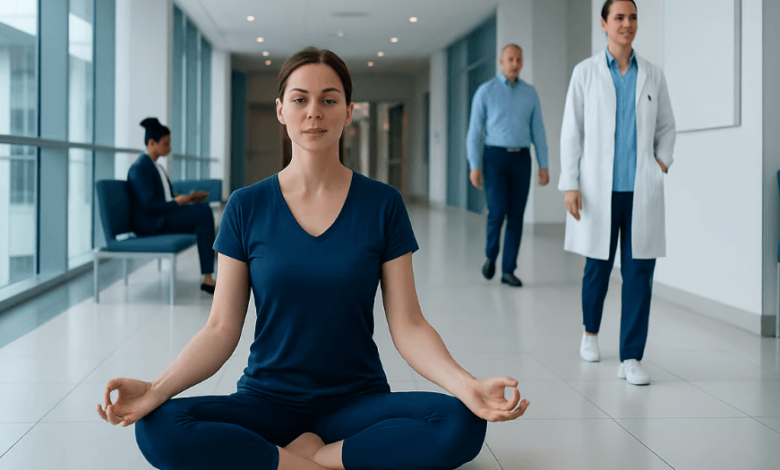
Modern lifestyles often demand long hours of sitting, continuous screen time, and fast-paced schedules. Over time, these habits can affect both physical comfort and emotional well-being. A stiff back after a workday or a stressful week filled with deadlines is something many people can relate to. Interestingly, physical tension and mental stress often influence each other, creating a cycle that feels difficult to break.
Yoga offers a practical way to address both concerns through mindful movement, controlled breathing, and improved body awareness. Many people include daily yoga for back pain in their routine to improve spinal mobility, while others practice daily yoga for stress management to create moments of calm and relaxation during busy days. When practiced consistently, yoga becomes more than just exercise—it becomes a sustainable wellness habit.
Which Yoga Asanas Are Commonly Practiced for Yoga for Back Pain
Back discomfort is often associated with prolonged sitting, poor posture, weak supporting muscles, or repetitive movements. For many people, guided yoga for back pain provides a structured way to improve spinal mobility, strengthen supporting muscles, and encourage healthier posture. Practicing slowly while maintaining proper alignment helps create a safe and sustainable routine.
Some commonly practiced yoga asanas include:
- Locust Pose – Strengthens the back, glutes, and shoulders, helping improve spinal support during everyday activities.
- Triangle Pose – Improves flexibility along the spine and sides of the body while encouraging better posture and balance.
- Downward-Facing Dog – Gently stretches the back, shoulders, and hamstrings, helping reduce overall stiffness after long periods of sitting.
- Knees-to-Chest Pose – Relaxes the lower back by gently stretching the surrounding muscles and relieving built-up tension.
Practicing these postures with steady breathing and proper technique helps improve mobility and makes everyday movement feel more comfortable over time.
Which Yoga Asanas Can Support Yoga for Stress Management
Stress often affects both the body and the mind, leading to muscle tightness, mental fatigue, and difficulty relaxing. Incorporating guided yoga for stress management into your weekly routine can help create moments of calm by combining mindful movement with controlled breathing. Regular practice encourages both physical relaxation and greater emotional balance.
Some commonly practiced yoga asanas include:
- Easy Pose – Provides a comfortable seated position that encourages slow breathing and mindful relaxation.
- Standing Forward Bend – Gently stretches the back and shoulders while helping release physical tension accumulated during the day.
- Reclining Bound Angle Pose – Opens the hips comfortably while promoting deep relaxation and reducing physical stress.
- Seated Forward Bend – Encourages calmness by combining a gentle stretch with slow, controlled breathing.
These poses become even more effective when practiced consistently in a quiet environment with full attention to breathing and body awareness.
Which Everyday Habits Help Reduce Physical and Mental Tension
The benefits of yoga become more noticeable when they are supported by healthy everyday habits. Simple lifestyle changes can reduce unnecessary strain on the back while also making it easier to manage daily stress. Instead of relying on occasional stretching, building consistent routines throughout the day helps the body and mind stay more balanced.
Some practical habits include:
- maintaining an upright sitting posture while working or studying
- taking short movement breaks every hour instead of remaining seated for long periods
- practicing slow, mindful breathing whenever you feel physically or mentally overwhelmed
- staying hydrated to support healthy muscles and joints
- getting enough quality sleep to allow the body to recover after daily activities
Combining these habits with regular yoga practice creates a routine that supports better mobility while encouraging greater emotional resilience. Over time, these small adjustments can make everyday activities feel more comfortable and less physically demanding.
What Makes a Yoga Routine Easier to Maintain Throughout the Week
Starting a yoga routine is often easier than maintaining one. The key is to keep the practice realistic and enjoyable rather than making it feel like another task on a busy schedule. Consistency is built through small daily efforts that naturally fit into everyday life.
A few practical ways to stay committed include:
- setting aside 20–30 minutes at a fixed time each day
- beginning with basic postures before progressing to advanced variations
- focusing on smooth breathing instead of rushing through each movement
- listening to your body and modifying poses whenever necessary
- ending every session with a few quiet minutes of relaxation
Regular practice allows the body to gradually adapt without feeling overwhelmed. As strength, flexibility, and body awareness improve, yoga becomes easier to maintain as a long-term habit rather than a short-term fitness goal.
Conclusion
Small, consistent efforts often create the biggest improvements over time. A thoughtful yoga routine, combined with supportive daily habits, can help you move more comfortably while bringing greater calm to your everyday life. Staying patient with your progress makes it easier to enjoy the journey and maintain healthy routines for the long term.