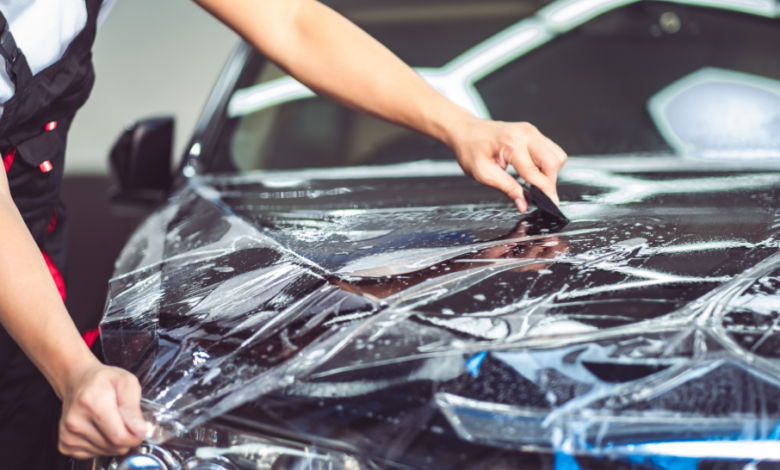
Paint Protection Film is one of the smartest investments you can make to safeguard the paintwork of your new car. However, even the finest Paint Protection Film (PPF) can underperform if it is incorrectly chosen, poorly installed, or badly maintained. With such a vast array of films, installers, and cleaning products on the market, it is all too easy to make mistakes. These errors can reduce the life of the film, compromise the original paintwork, or both. Fortunately, each of these pitfalls can be avoided when you know what to look for. Below, we detail the five main mistakes drivers make with PPF and explain how to avoid them to ensure perfect, long-lasting protection for your vehicle.
Choosing the Wrong Type of PPF
With so many different brands, performance claims, and price points available, it is hardly surprising that choosing the correct PPF can be difficult. While Paint Protection Film can be extremely effective, selecting the wrong product can lead to dulling, yellowing, and premature ageing.
Entry-level PPFs typically provide only basic impact resistance. While this may be adequate for light urban use, it rarely offers the optical clarity or the necessary elasticity and long-term stability required for varied driving conditions. In contrast, mid-tier and premium films are manufactured using a higher grade of polyurethane, providing extra thickness, flexibility, and a more refined finish. High-spec PPFs, such as AX Paint Protection Film, also feature self-healing layers that eradicate fine scratches and swirl marks when the film is gently warmed—a significant advantage for maintaining a flawless surface.
Quality also assures UV stability. Inferior films are prone to yellowing, hazing, or oxidising, defects that become instantly visible on cars with white or silver paintwork. Choosing the correct finish—whether gloss, matte, satin, coloured, or textured—is equally important. These choices not only alter the look of your vehicle but can also impact the level of protection provided.
Selecting a certified brand and securing a comprehensive, documented warranty is essential. The AX PPF service, for example, ensures customers receive top-quality after-sales support. It is this combination of material quality, durability, and authenticity that ensures your chosen PPF will not only protect your car’s paintwork but also enhance it and help retain its value.
Improper Installation Practices
Flawless PPF protection depends not only on the quality of the film itself but also on the skill of the installer. Even the most technologically advanced film can underperform if applied by an inexperienced technician. Proper installation requires a pristine, temperature-controlled workshop. It is vital that all dust, moisture, and contaminants are completely removed; if trapped beneath the film, these particles can cause unsightly bumps, silvering, or long-term lifting.
The installer’s technique is key. Overstretching the PPF can compromise its self-healing properties, while insufficient stretching may cause tension lines and creases. Panel alignment and precision trimming are essential, especially around corners, sensors, and vents. Cheaper installers often ‘cut corners’ in these more complex areas of the vehicle.
The cutting method is also vital. Another key factor is whether the installer uses high-quality, precision-cut templates or fits the PPF by hand using bulk rolls of film. Pre-cut templates reduce the risk of human error. However, bulk installation by a highly skilled craftsman can produce a perfect custom fit. A truly professional installer allows adequate curing time and completes thorough post-installation checks. They will also advise you on the optimum aftercare for the first 72 hours to ensure perfect adhesion. By choosing an experienced installer, you ensure optimum protection for your car.
Neglecting Surface Preparation
Neglecting proper surface preparation is a critical error when aiming for effective protection. Paint Protection Film is engineered to bond perfectly to the clean, smooth, original paintwork of a vehicle. If the surface holds even minor defects, this will affect the adhesion, clarity, and durability of the film.
Before the PPF is applied, the entire vehicle must be thoroughly prepared. Embedded metal particles, traces of tar, and adhesive residues must all be removed. Oils, waxes, and ceramic coatings must also be eliminated to ensure the film bonds evenly to the surface.
The vehicle should be carefully hand-washed and given a clay bar treatment to eradicate microscopic contaminants. Even if the car has come straight from the showroom, it may carry residue from transport film or light markings that must be cleared.
Another crucial step is correcting any minor paint defects, such as scratches, swirls, or watermarks. These will all be highly visible once permanently sealed beneath the film. A careful machine polish restores the optical clarity of the paintwork. At this point, the paint surface is in immaculate condition, ready for the application of the Paint Protection Film.
When surface preparation is rushed or incomplete, the results can be disappointing, leading to peeling edges, silvering, and contamination spots. Ultimately, good preparation is the foundation of a perfect and durable installation.
See also: How Precision Stamping Parts Drive Efficiency in Automotive Applications
Using Harsh Chemicals During Cleaning
The integrity of your PPF is often compromised by the use of harsh chemicals during cleaning. While PPF is engineered to be tough and durable, it remains sensitive to the wrong products. Damage can be immediate and irreversible. The use of high-alkaline shampoos, solvent-based cleaners, or aggressive degreasing products can damage the PPF’s hydrophobic layer. This dulls the surface and reduces its self-healing properties. Over time, repeated use of such products can cause the film to become cloudy or brittle, significantly shortening its lifespan.
The cleaning tools you choose are equally important. Abrasive brushes, rough sponges, or contaminated washing mitts can all cause micro-scratching. Furthermore, strong washer jets directed at the edges of the film can weaken the bond or cause the film to lift.
To maintain optimum gloss, PPF should always be washed with pH-neutral shampoos specially designed for film-coated surfaces. Gentle washing using the ‘two-bucket method’ is best. The first bucket contains clean water and pH-neutral shampoo, used with a soft mitt to wash the car. The second bucket contains fresh water for rinsing the mitt regularly to keep it clean. This method maximises the protection you have invested in.
Ignoring Manufacturer Instructions
Ignoring manufacturer instructions is one of the quickest ways to undermine the effectiveness of your protection. It is also one of the easiest mistakes to avoid. All PPF brands, such as AX Paint Protection Film, are unique. Each is engineered with its own specific formula, adhesive, curing behaviour, and top-coat chemistry. It is important to follow the guidelines provided by the manufacturer. If you wash your car too soon after installation, for instance, you risk weakening the adhesive bond. Even small details, like recommended pH levels and pressure washer distances, can impact the long-term performance of the film.
Manufacturer guidelines provide essential advice on maintenance schedules and safe washing products. Following these guidelines not only preserves the film but also protects your warranty and your investment. If you cannot find the answer to your query within the guidelines, it is always best to contact your installer directly for the correct advice.
Summary
The secret to flawless paint protection lies in choosing the correct product, ensuring it is perfectly installed, maintaining it diligently, and treating it with care. If you avoid these common mistakes, your PPF will prove to be a virtually invisible protective shield for your car’s paintwork. It remains one of the best upgrades you can make to preserve your car’s appearance and value.