Electronics in the home and industry work efficiently and make humans work so much more easily. They deliver power from the source, like a wall socket or charging station, to the device’s battery to make it run. From your phone to laptops and power tools to electric vehicles, everything needs a charger, but of a different type. That type significantly impacts the performance of the device and the safety and convenience it comes with.
The world had seen bulky and slow chargers in the initial days, but over time, chargers have become smarter, faster and more versatile. Some chargers support multiple devices at once with global plug compatibility and advanced technologies of GaN (gallium nitride). The chargers differ from each other in functioning and style and learning about them helps you make wise decisions and avoid common pitfalls.
Electric Vehicle Chargers that Power the Future of Transportation
The charger world is entirely different when we discuss large-scale charging, especially for electric vehicles (EVs). EV chargers range in power output, connector type and installation complexity.
Levels of EV Charging
The main levels of EV charging are here
- Level 1 chargers typically use a standard 120 V outlet in North America and deliver around 1 kW to 1.9 kW. They are very slow — often taking 22-40 hours to charge a typical EV.
- Level 2 chargers use 208-240 V (or 230 V in Europe) and can deliver anything from 3 kW up to 19.2 to 22 kW in many installations. These are the common home or workplace EV chargers and can provide a range of 10-75 miles per hour of charging depending on wattage.
- Level 3, often called DC fast charging, bypasses the vehicle’s onboard AC charger and delivers high-power DC directly to the battery. Some units exceed 30 kW. The modern public DCFC starts at 50 kW and commonly goes up to 350 kW or even higher in ultra-fast setups.
Connector Types and Regional Standards
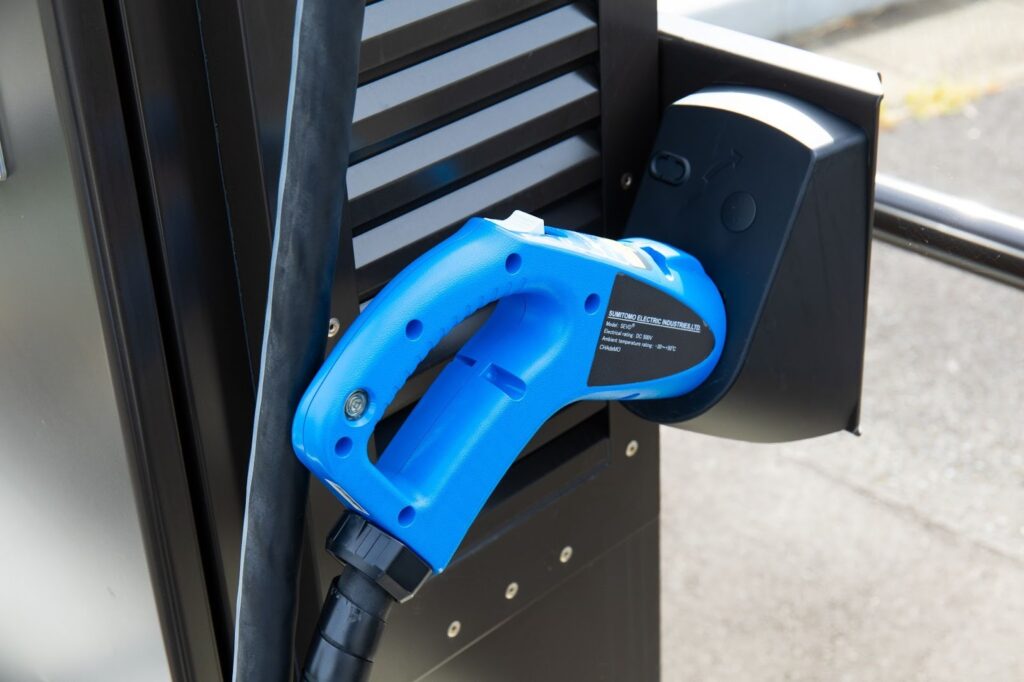
Different connector types are available in different markets that meet their regional standards. A few are here:
- SAE J1772 or Type 1 connector is common in North America for AC charging.
- Type 2 connectors are mostly useful in Europe for both AC and DC charging in some cases. Mennekes is the main developer of this connector type and has now become a major player in electromobility.
- For DC fast charging, standards such as CCS (Combined Charging System), CHAdeMO and GB/T are used in different regions.
Chargers for Small and Medium-Sized Devices
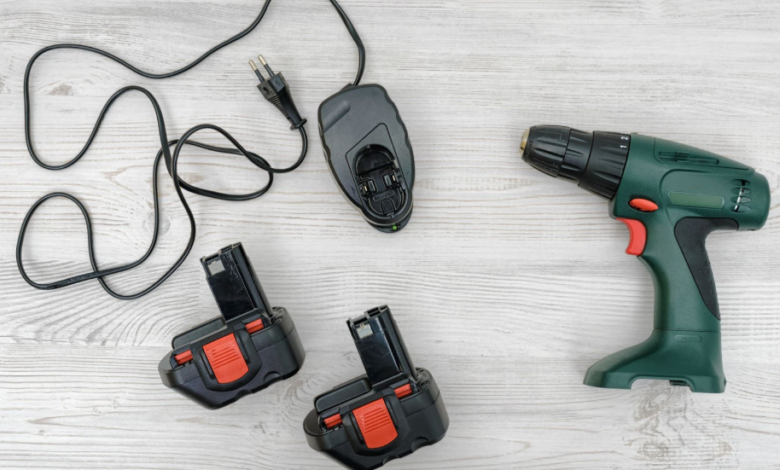
Next are the chargers designed for various small and medium sized devices, from power tools to e-bikes, toys to small industrial machines, and portable equipment to household devices. People often overlook these chargers without understanding the reality that they are important for daily operations in both homes and industries. The construction and mobility industry uses battery powered products in large quantities, which has pushed every custom adaptors manufacturer to make chargers that are smarter, faster and safer.
Main features in these chargers are:
Modern chargers in this category have several useful features that improve performance and convenience:
- Multiple ports allow simultaneous charging of several tools, e-bike batteries or devices. This saves time and workspace.
- Modern chargers offer smart and fast charging. The built in control chips detect the needs of each battery and deliver the ideal current, which reduces charging time and protects the battery from damage.
- An interchangeable plug design is useful for people who travel or export products to different countries. This makes the charger compatible with various socket types.
- Modern chargers use GaN technology. They don’t have traditional silicon but gallium nitride components, which makes them smaller in size with cooler and more energy-efficient performance.
Why GaN Technology Matters
GaN technology is a major step forward in charging design. GaN models:
- Are smaller and lighter, for easier to carry or install in compact spaces.
- Offer better heat management. The charger remains cooler irrespective of how long the charging sessions are.
- Provide higher power density, which means more power in a smaller body. It is ideal for high drain batteries used in power tools, electric bikes and ride on toys.
- Improve charging efficiency that helps save energy and extend battery life over time.
Use Cases
Chargers for small and medium-sized devices appear in many industries and situations:
- A workshop uses multi-port chargers to recharge cordless drills, saws and other power tools overnight, reducing downtime.
- A toy manufacturer includes certified chargers with automatic shut-off and LED indicators to ensure safety in battery-powered cars and drones.
- A factory uses GaN-based chargers for handheld testing tools and portable instruments where space and heat control are critical.
See also: Future Trends in Technology 621126477
Mobile Phone, Tablet and Computer Chargers
Everyday consumer devices such as phones, tablets and laptops also demand reliable and efficient chargers — and the market has evolved similarly in this space.
What to Look For
The following options are available for choosing a charger for these devices
- USB-C with Power Delivery is now the common standard and offers faster charging than USB-A ports.
- Wireless charging support is available for devices that are compatible with it.
- Multi port charging capability allows you to charge your phone, smartwatch and tablet at once without several adapters.
- GaN based chargers for the benefits already mentioned.
- Global plug compatibility if you travel or ship devices internationally.
Why the Upgrade Is Worth It
Older chargers often had lower output and less efficient components. It means slower charging and more wasted energy as heat. With modern features:
- You can charge your laptop or tablet faster.
- You can reduce the number of adapters, especially when charging multiple devices.
- You’re better equipped for global usage with interchangeable plugs.
- You reduce clutter and risk of using non-certified chargers.
What Certifications Are Needed for Global Charger Supply?
Certifications are always important to market global charger solutions and gain consumers’ trust, the safety of devices and compliance with the laws.
Common Certification Standards
Some major requirements are:
- CE marking for Europe indicates compliance with EU safety and environmental regulations.
- UL (Underwriters Laboratories) for the USA to ensure safety standards for electrical devices.
- PSE (Product Safety Electrical Appliance & Material) for Japan.
- CCC or China Compulsory Certification for China.
- Adherence to USB Power Delivery standards is increasingly important for chargers with USB C fast charging.
Why Certifications Matter
- They assure buyers, businesses or end users that the device is safe, reliable and legally sold in a region.
- They reduce liability risks — uncertified units may overheat, fail or cause damage.
- They improve confidence in export markets and help in clearing customs or passing regulatory inspections.
Checklist for Global Supply
Confirm that the charger meets the required voltage and socket types for each region.
- Make sure the charger has protection for
- over-voltage
- over-current
- overheating
- short circuits, which many GaN chargers contain.
- Confirm compliance documentation and lab test reports are available.
- A charger for multiple regions must use interchangeable plugs and a dual voltage input of 100-240 V for better flexibility.
Certified manufacturers and products help you strengthen your supply chain and reduce the chance of returns or regulatory issues.
Conclusion
Chargers are available in many shapes and sizes for different devices, from electric vehicles to toys of children. They are important to keep your smartphones and laptops always ready for action. A better decision is to understand the different types of chargers with the technologies they contain, and their features and functions.
A charger that’s well matched to your device is the first point to check; the next is to always check the smart features it carries with modern technologies and the global certifications. The right charger benefits you with better performance, safety and future flexibility.